
DNA and RNA Sequencing Reveal the Real Culprit Behind Severe Early Childhood Caries
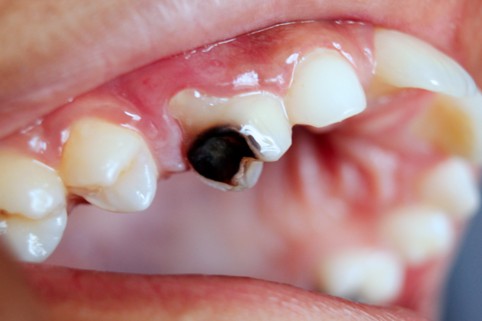
DNA and RNA sequencing identified metabolically active bacteria within deep dentin lesions of severe early childhood caries | Image Credit: Suyash.dwivedi from Openverse
Integrated DNA and RNA profiling reveals differences between bacterial presence and metabolic activity in carious lesions
SEATTLE, WASHINGTON, WA, UNITED STATES, July 20, 2026 /EINPresswire.com/ -- Integrated DNA and RNA profiling reveals differences between bacterial presence and metabolic activity in carious lesionsSevere early childhood caries affects millions of children worldwide and remains one of the most destructive forms of tooth decay. Although bacteria are known to play a central role in the disease, identifying the microbes actively involved in lesion progression has remained a challenge. In a new study, researchers combined DNA and RNA sequencing to investigate microbial communities residing within carious lesions, offering new insights into the biological processes that drive this debilitating childhood condition.
Severe early childhood caries (S-ECC) affects millions of children worldwide and remains one of the most aggressive forms of tooth decay, arising from a complex interplay of microbial, dietary, and environmental factors. Advanced lesions can rapidly extend into the dentin, where acidic, oxygen-poor conditions foster a diverse microbial ecosystem that erodes the tooth from within. Scientists have long known that bacteria play a central role in this process; however, how the activity of different microbes contributes to this damage within S-ECC lesions remains unclear.
To address this, researchers from the University of Washington investigated the bacterial communities residing deep within carious lesions. Led by Dr. Allison A. Naumann, the team sought to distinguish bacteria that were merely present from those actively contributing to disease progression within deep dentin lesions. The study was made available online in the International Journal of Oral Science on February 24, 2026.
The researchers conducted a cross-sectional study involving 13 children aged 1–5 years diagnosed with S-ECC. Matched samples of supragingival plaque (SP) and deep dentin plaque (DP) were collected from the same teeth, with dentin samples obtained immediately following tooth extraction. To determine both microbial composition and activity, the team employed a dual sequencing approach. DNA-based 16S rRNA gene sequencing was used to identify bacterial species present within the samples, while RNA-based 16S rRNA transcript sequencing was used to identify bacteria that were metabolically active. Sequencing data were analyzed using established bioinformatics pipelines and the expanded Human Oral Microbiome Database, allowing detailed comparisons of bacterial diversity, abundance, and activity between the two plaque types.
The study found that deep DP harbored a distinct microbial community compared with SP, characterized by significantly lower bacterial diversity and enrichment of several caries-associated taxa. Notably, Lactobacillus casei, Oribacterium sp. HMT-078, Atopobium parvulum, and Prevotella denticola were consistently enriched within deep dentin lesions. A notable finding emerged when the researchers examined bacterial activity. As Dr. Naumann explained, “The analysis of RNA-to-DNA ratios revealed that Lactobacillus species, particularly L. casei, exhibited the highest metabolic activity, suggesting an active role in disease progression.” In contrast, traditionally recognized cariogenic species such as Streptococcus mutans were abundant but showed comparatively lower metabolic activity. These findings indicate that metabolically active Lactobacillus species may be key contributors to the progression and severity of severe early childhood caries.
The study highlights the importance of distinguishing between microbial presence and activity in oral disease research. As Dr. Naumann noted, “By incorporating RNA-based analyses alongside conventional DNA sequencing, we were able to identify the microorganisms most likely contributing to ongoing dentin demineralization and tissue destruction.” This approach offers a more accurate picture of the microbial processes driving severe dental caries and may help researchers better understand how these lesions develop and progress.
The study also carries important clinical and research implications. Current approaches to studying dental caries often focus on identifying which bacteria are present within lesions. However, these findings suggest that understanding microbial activity may be equally important. By pinpointing the organisms that remain metabolically active within deep dentin lesions, researchers may be able to develop more precise diagnostic tools, identify new therapeutic targets, and better predict which lesions are most likely to progress. The approach may also help guide future microbiome studies toward identifying the organisms that actively sustain disease rather than those that simply coexist within it.
In conclusion, this study advances our understanding of the microbial ecology of S-ECC. Rather than being driven by all bacteria present within a lesion, disease progression appears to be associated with a subset of highly active, acid-tolerant species, particularly Lactobacillus casei. These findings provide a stronger foundation for future efforts to understand, prevent, and treat this aggressive form of childhood tooth decay.
Reference
Title of original paper: DNA and RNA-based amplicon sequencing of paired supragingival and dentin lesion plaque in children with severe early childhood caries
Journal: International Journal of Oral Science
DOI: https://doi.org/10.1038/s41368-025-00421-4
About University of Washington
University of Washington is a leading public research university located in Seattle, Washington, and is consistently ranked among the top universities in the United States and globally. Founded in 1861, it is renowned for excellence in medicine, public health, engineering, computer science, environmental sciences, and biomedical research. The university is home to the highly regarded School of Medicine and collaborates closely with major healthcare and research institutions in the region. With a strong emphasis on innovation, interdisciplinary research, and community engagement, the University of Washington has made significant contributions to scientific discovery, healthcare advancement, and technological development worldwide.
Website: https://www.washington.edu/
About Dr. Allison A. Naumann from University of Washington
Dr. Allison A. Naumann is a research scientist affiliated with the Department of Periodontics at the University of Washington School of Dentistry and the McLean Lab. She earned a Bachelor degree in Biochemistry from the University of Washington and has been actively involved in oral health research since 2022. Her research focuses on oral microbiology, the oral microbiome, dental caries, microbial genomics, and sequencing-based approaches to studying oral diseases. She has co-authored two peer-reviewed publications and her notable contributions include investigations into microbial communities associated with severe early childhood caries and oral bacterial genomics.
About Elissa M. Elmorr from University of Washington
Elissa M. Elmorr is a dental researcher and Doctor of Dental Surgery (DDS) candidate at the University of Washington School of Dentistry. She earned a Bachelor of Science in Biochemistry from the University of Washington and has been involved in oral health research since 2022. Her research focuses on oral microbiology, dental caries, the oral microbiome, and sequencing-based approaches to understanding oral disease. Elmorr has co-authored one peer-reviewed publication and has received recognition for her research presentations, including first place in the Predoctoral Oral Presentation Competition at the University of Washington School of Dentistry Research Day 2025.
Funding information
This work was supported by KL2TR002317 (KAK), T90DE021984 (KAK), and R01DE031470 (JSM).
Yini Bao
International Journal of Oral Science
+862885546461 ext.
ijos@scu.edu.cn
Visit us on social media:
X
Legal Disclaimer:
EIN Presswire provides this news content "as is" without warranty of any kind. We do not accept any responsibility or liability for the accuracy, content, images, videos, licenses, completeness, legality, or reliability of the information contained in this article. If you have any complaints or copyright issues related to this article, kindly contact the author above.
